
Local Plumbing Service Company
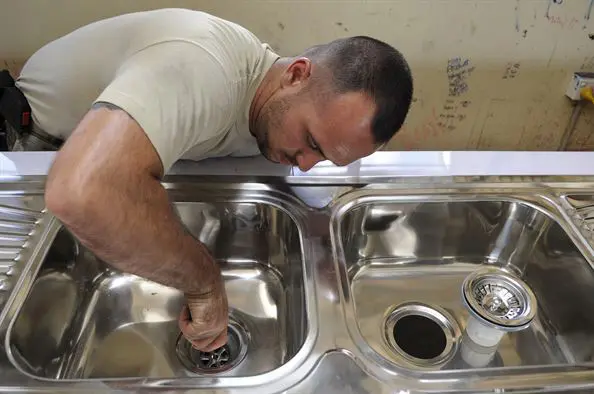
We have licensed, professional, courteous plumbers that can provide solutions for all of your plumbing needs, including:
- Toilet repair and replacement
- Faucet repair and replacement
- Drain Cleaning
- Detection of plumbing odors
- Ice maker water hook ups
- Garbage disposals
- Outside Hydrants Noise caused by plumbing
- Water pressure: we solve high and low pressure problems
Looking for a reliable plumbing service company in your area? Look no further than your local plumbing service company. We provide top-quality plumbing services to residential and commercial customers alike. From fixing leaks to unclogging drains, we can do it all. Don’t waste your time with subpar plumbing companies. Call our local plumbing service company today and get the job done right. We guarantee you won’t be disappointed.
- Unclog toilet
- Unclog drain
- Drain inspection
- Pipe repair service
- Clogged Drains
- Leaky pipes
- Shower repair
- Toilet replacement
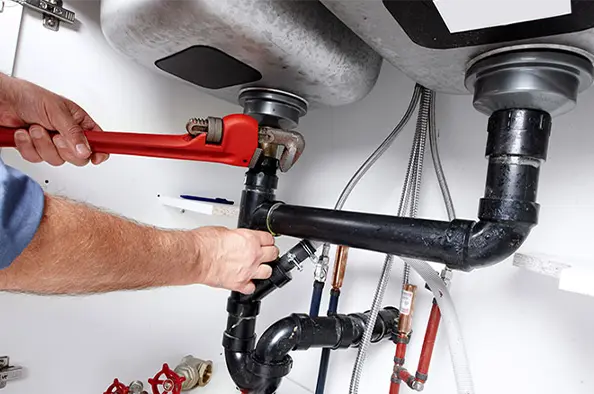
If you have a clogged toilet or drain, the first thing you should do is call a local plumbing service company. Plumbing companies have the tools and experience to quickly unclog toilets and drains.
Our plumbing company offers 24/7 emergency service, so you can call us any time of day or night. When you call our plumbing company, be sure to describe the problem clearly so we can send the right technician for the job.
Plumbers will usually start by using a plunger to try to clear the clog. If that doesn’t work, they may use a auger or snake to reach down the drain and break up the clog. In some cases, they may need to remove the toilet or drain cover to access the clog.
Once the clog is cleared, our plumbers will likely give you advice on how to prevent future clogs. For example, they may recommend avoiding certain kinds of products (like cooking grease) from going down your drains.
Quality
Reliablity
Results
Value
- Bathtub Repair
- Shower Repair
- Sink Repair
- Tile & Grout
- Kitchen & Bath Countertops
- Fiberglass Tubs & Shower
- Chip, Crack, & Scratch Repair
- Commercial Property
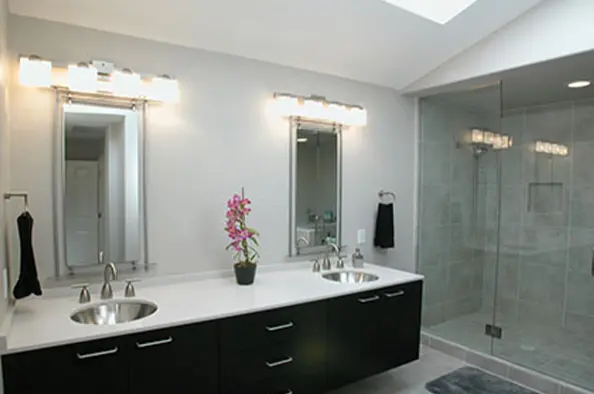
If your bathtub or shower is in need of repair, you may be wondering how much it will cost to fix. Fortunately, there are a few things you can do to repair your tub or shower without spending a lot of money.
If your tub or shower is leaking, the first thing you should do is check the caulking around the edges of the tub or shower. If the caulking is old or cracked, it may be allowing water to seep through. You can replace the caulking yourself with a tube of caulk from the hardware store.
Another problem that can cause leaks is a cracked drainpipe. If your drainpipe is cracked, you’ll need to have it replaced by a professional. However, if the crack is small, you may be able to patch it yourself with a PVC pipe repair kit.
If your shower head is leaking, chances are that the washer inside the head needs to be replaced. You can buy replacement washers at most hardware stores. To replace the washer, simply unscrew the shower head and remove the old washer. Then, screw on the new washer and reattach the shower head.
Finally, if your bathtub or shower just doesn’t seem to be draining properly, there may be a clog in the drain line. You can try using a plunger to clear the clog, but if that doesn’t work, you’ll need to call a professional plumber to take care
Every day there are hundreds of gallons of water flowing through pipes, fixtures, and drains in your home, and because of that, they can get clogged or start to show signs of wear and tear over time. When your plumbing system starts to fail you, it is essential you immediately contact a plumber so they can evaluate the current and potential damage and offer you further guidance on the plumbing repairs you need to consider having done.
Most of the items you put down the drain will remain unchanged from the time they go down the household drain or toilet. They don’t breakdown and tend to clog the wastewater system. The cost of maintaining the system will reflect on your utility bill. Grease is a liquid when it goes down but quickly hardens on the pipes. The oil accumulates on the canals and ultimately makes the pipe so small that even typical wastewater can not make its way through the system. That only leaves one way for it to flow.
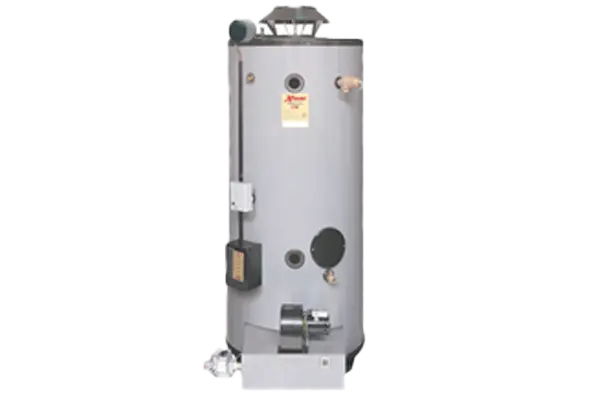
- Water Heater Repair
- Water Heater Replacement
- Tank less Water Heaters
If your water heater is on the fritz, you’re not alone. Water heater repair is one of the most common services our local plumbing company provides.
There are a few telltale signs that your water heater may need repair or replacement, including:
• Your water isn’t as hot as it used to be
• There’s rust in your water
• You have strange noises coming from your tank
• There’s water pooling around your tank
If you’re experiencing any of these issues, give us a call. We’ll send one of our experienced plumbers to diagnose the problem and recommend the best course of action. In some cases, we may be able to repair your water heater. In others, replacement may be the best option. Either way, we’ll make sure you have hot water again as soon as possible!
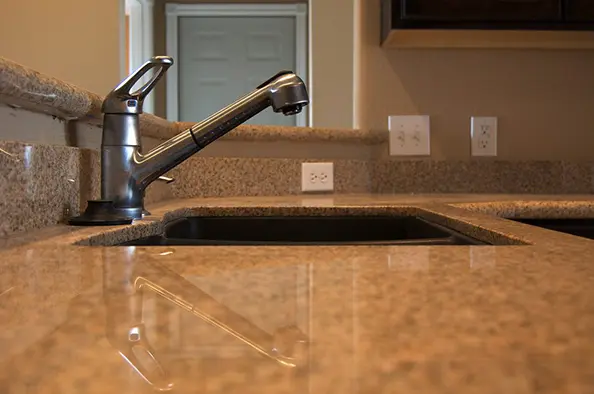
- Drain Cleaning
- Sink Installation
- Faucet repair and replacement
- Ice maker water hook ups
- Garbage disposal repair
If you’re dealing with a clogged or broken kitchen sink, then you need a reliable plumbing service company to help you get things fixed. Fortunately, our team is here to help. We have years of experience dealing with all sorts of kitchen sink repair issues, so we know how to get the job done right.
We understand that a broken or clogged kitchen sink can be a major inconvenience, which is why we offer 24/7 emergency service. No matter what time it is, we’ll be there to help you fix the problem and get your kitchen sink back in working order.
We also offer a wide range of other plumbing services, so if you’re having any other issues with your home’s plumbing, we can help with that as well. Just give us a call and we’ll be happy to assist you however we can.
Plumbing Tips and Advice
If you have a frozen pipe, turn on the nearest faucet so that thawed ice has somewhere to go. This gives the pressure somewhere to go, which may prevent bigger damage for your home.
To avoid having your outdoor faucets freeze up in the winter, detach all hoses before the first freeze. Also, close the shutoff valve that leads to the outdoor faucets, then turn on all outdoor faucets to let them thaw out. Once water is flowing freely again, turn the outside faucets off and store all hoses away safely for the winter.
If you want to keep your kitchen drains from clogging up, don’t pour grease down them. As it cools and congeals it can trap other food or waste particles, which over time can slow the draining of water and even form a clog that will not be easy to remove.
To avoid wasting water and having a potentially high water bill, check your home for leaky faucets periodically. Fix any leaks that you find right away. You may be able to do the repair yourself, but if not, you may have to seek the assistance of a plumber to make the repairs.
If you have a clogged toilet and a plunger is not helping to clear the blockage, if the water level is low, pouring a bucking of boiling water from a height into the toilet bowl could resolve the problem. Do this as often as necessary until your clog is gone, and you can flush normally once again.
Use enzymes to clean clogged drains. Enzyme based cleaners work by using natural bacteria that turns the sludge clogged in your pipes into a liquid, allowing it to flow down the drain with ease. Enzyme cleaners are considered one of the best ways of maintaining your drains.
If you own property where the temperature gets below freezing for an extended amount of time each year, you should make sure that pipes located in unheated areas, such as crawl spaces and garages, are insulated. Pipes that are exposed to the outside elements or those that are prone to freezing, should be protected by heat tape or thermostat-controlled heat cables to prevent them from freezing.
If water backs up from one sink to another, it is because the lines are connected. The part of the branch line for one device might be higher than another, but most likely there is also a blockage in the branch line connecting the two devices as well. This blockage must be cleaned.
Periodically check your pipes for leaks and cracks. These can be forgotten, since pipes are usually hidden away, but checking for leaks and cracks can help you identify a small problem before a big problem occurs. You may have to enlist the help of a family member to turn on and off the water stream as you are checking.
Beware of black water in your toilet tank. Chances are, the color is caused from too much magnesium or iron in your water. Although this is usually harmless, it can be annoying for some people. If it is iron or magnesium in your water, the only way to fix it is by filtering the water.
If you see any water pooling near your hot water heater, turn the water off to the heater immediately. If you don’t, a small leak can turn into a much larger leak, making it harder to shut off.
Make sure everyone in your home knows where the main water shut off valve is and that they know how to work it. That way, if there is a water problem, anyone in your household can turn off the water, thereby reducing the chances that your home will incur major water damage.
If you have an automatic sprinkler system, make sure that you regularly test these valves for leaks. If leaks are detected, make sure to repair them before the first freeze which can occur in the fall. Freezing cold water can and will crack pipes, whether they are copper, steel, or plastic. Cracked pipes can lead to extensive water damage to your home, resulting in very costly repairs.
1. Turn off the main water supply before working on plumbing fixtures in your home. This will ensure that you aren’t accidentally flooding your home or causing major damage by plugging up a drain while trying to fix another one.
2. Doing your own plumbing can be very rewarding, but it can also be a lot of work. Regardless, if you know what needs to be done and how to do it properly, you can fix most plumbing problems yourself.
3. If you are using PEX tubing for the supply lines in your home, make sure you get the right tools for the job. PEX tubing requires a completely different tool type than regular lines. Make sure you have a PEX cutter on hand to make the job go more smoothly.
4. Be careful about using liquid clog cleaners. These liquids can contain chemicals that are extremely bad for your pipes. Instead, use a snake or a plunger to dislodge any clogs you might encounter. Be sure to try these things before giving up and calling a plumber, who will probably re-perform those same acts.
5. When you’re going away on a vacation, you should consider shutting off the water supply to your home. This can help stop many problems before they start. If you don’t do this, you should have someone stop by your house regularly to check that nothing has gone wrong and that your home isn’t flooded.
6. Make sure that you disconnect all hoses outside your house when the fall season hits. This is important to reduce the chance of freezing, which can cause damage to the connecting pipes. Disconnect all of your water hoses and store them safely to put your family in the best position for the fall.
7. Plumbing is one of those jobs that you should not do your self. If it is something easy like a toilet repair or changing out a faucet, go ahead and give it a try. If it is a major repair, then you are better off hiring a contractor and it may be required to have a licensed plumbing contractor do the work for you.
8. In any DIY plumbing project, make sure that you always test the drains and the supply lines before you close up the walls. It is a lot easier to find and solve problems if you look for them while you are still in the process of actively doing the job.
9. If your sink is letting rusty water out and it will not drain, it is mostly likely because of the biological scum and grease that is built up in the pipes. You need to have your drains professionally cleaned, allowing maximum flow through your drains. Your drains must be open completely.
10. If you are having any kind of problems with your water line or plumbing in general then you will first want to cut of your water supply. One of the most common mistakes that people make is to leave their water running while they are trying to fix things and this leads to bigger problems.
As a leading plumbing company, we’re committed to offering top quality service and products to keep your plumbing in the best condition. Whatever the season, don’t gamble on a small company with limited experience. Trust us – we’re a seasoned organization with decades of success. We were founded 25+ years ago, and since then we’ve developed talent and expertise to serve all of your plumbing needs. You’ll get the highest quality workmanship with over 25+ years of industry experience.
If you value quality over everything, work with a company that will be there for you. We’re proudly one of the leading plumbing providers in our area, doing top-notch work at an affordable price. So no matter what your plumbing needs are, we’ll be there to help – we’ve been tackling this task since time immemorial, so trust us and don’t settle for anything less.
Alabama Arizona Arkansas California Colorado Connecticut Delaware Florida Georgia Idaho Illinois Indiana Iowa Kansas Kentucky Louisiana Maine Maryland Massachusetts Michigan Minnesota Mississippi Missouri Montana Nebraska Nevada New Hampshire New Jersey New Mexico New York North Carolina North Dakota Ohio Oklahoma Oregon Pennsylvania Rhode Island South Carolina South Dakota Tennessee Texas Utah Vermont Virginia Washington West Virginia Wisconsin Wyoming